MEET THE TEAM
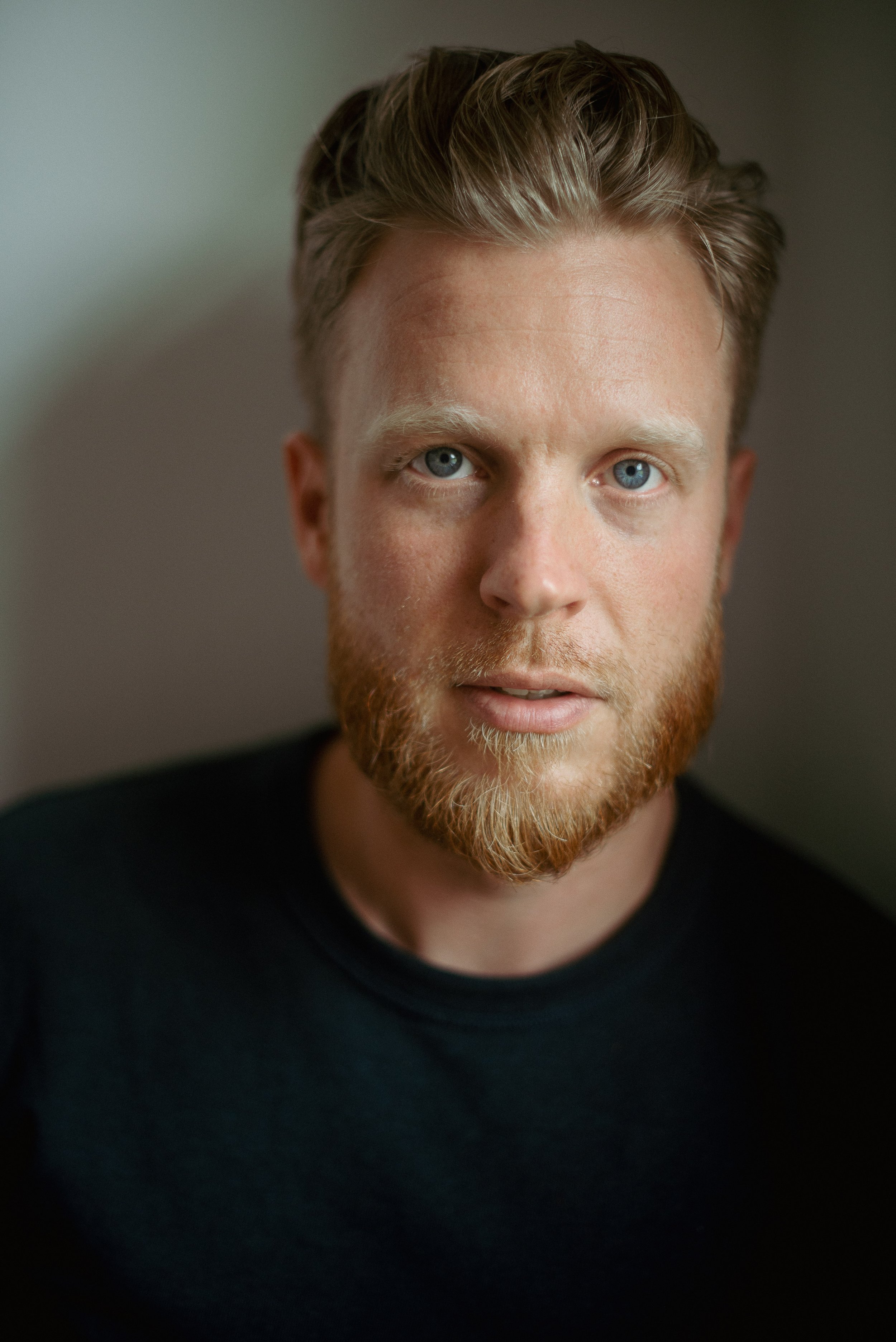
TOM CLEMENT
DIRECTOR
Tom Clement is an Emmy-nominated documentary cinematographer and director based in Washington D.C. and Brooklyn.
As a director, Clement's films examine individuals confronting systems of power. His latest project, Projecting Protest –nominated for the Outstanding Short Documentary Emmy –follows the rise of light projection as a protest tactic. Clement goes on the ground with both leftist activists and neo-Nazis – unlikely practitioners of the same medium, each drawn to projection’s legal gray area. Are projected words protected as free speech?
Previously, Clement was a staff cinematographer at Scripps News, where he won a National Murrow Award for In Real Life: Injected. Previous credits include work for A&E Docs, Newsweek, Time, Smithsonian, Court TV, Vice News Tonight, and The Pulitzer Center.
In the field, Clement specializes in cinematic verité and dynamic interview scenes. He thrives in small, efficient teams, where he aims to bring a calm, attuned presence.
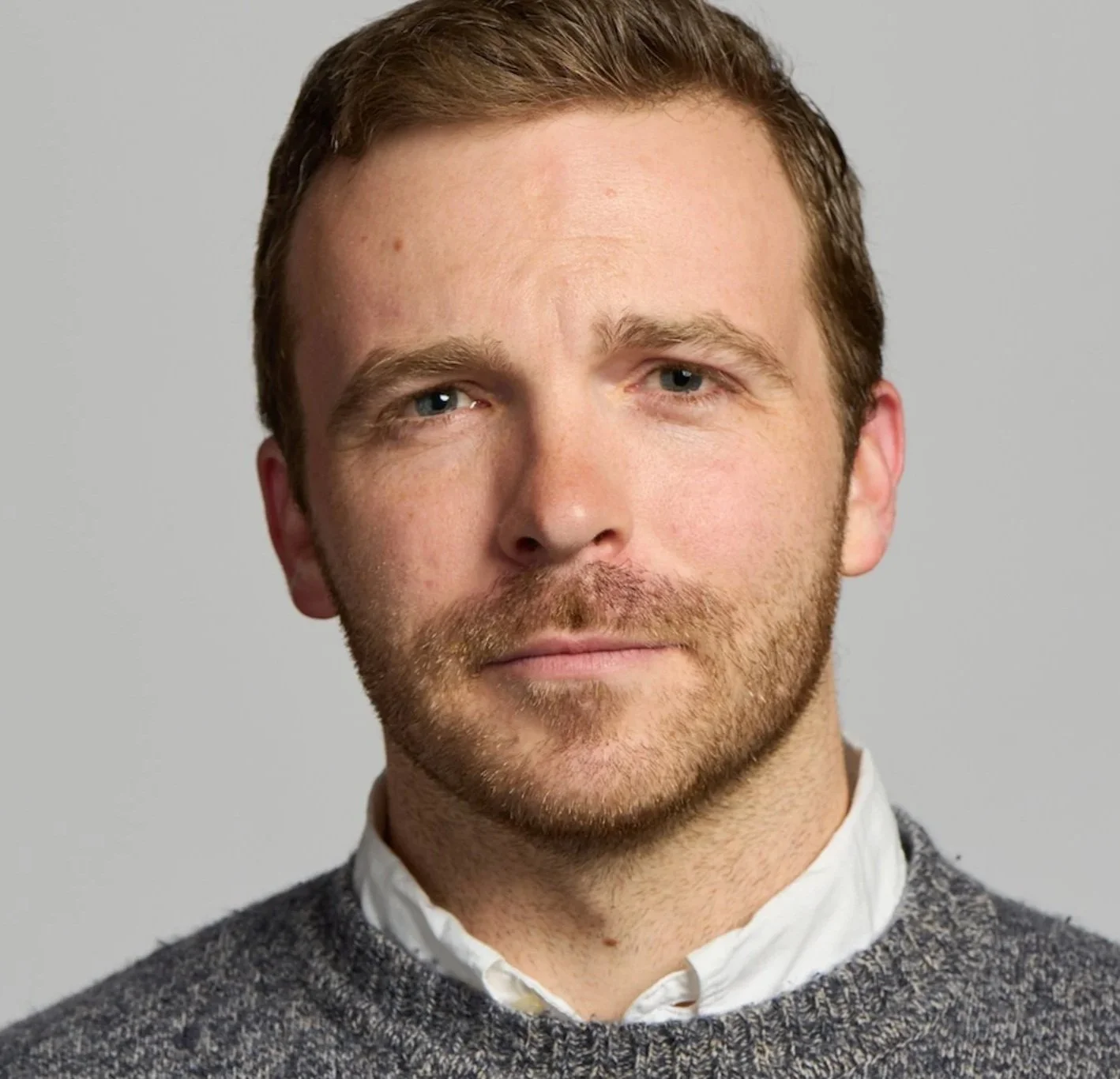
ZACH TOOMBS
Executive producer
Zach Toombs is an Emmy-winning documentary producer. As Director of Longform at Scripps News, he leads production of the award-winning “In Real Life” series and other documentary projects
Director’s
Statement
In a society where it’s easy to feel powerless—even if you're attending protests, putting up signs, or posting online—projection protest offers something uniquely impactful. It’s big, bright, and commanding. By temporarily taking over the facade of a building, often one that represents power, it transforms the space into a stage for dissent.
The first time I witnessed projection protest in person was during the 2020 George Floyd protests outside the White House, a moment captured at the beginning of this film. I watched as messages like “Dissent is Patriotic” and “Demilitarize the Police” were projected onto army trucks and the walls of nearby buildings. It was a striking experience—one of the most powerful protests I’ve ever seen, not only because of the passionate crowd but because of how the projection boldly and creatively reclaimed public space
Growing up, I was taught that everyone has the right—perhaps even the duty—to speak out against injustice. My Quaker upbringing emphasized non-violent resistance, and I learned stories of dissent, from Quakers sheltering people escaping slavery to offering sanctuary to Vietnam War draft dodgers. While the Quaker idea of "the light" symbolized truth and justice, what fascinated me more was the act of dissent itself, and the importance of challenging power.
This democratization of protest gives normal people the means to shine a literal light on injustice. In many ways, it’s the essence of dissent, one that pushes boundaries and forces us to re-examine where we draw the line between expression and intrusion.